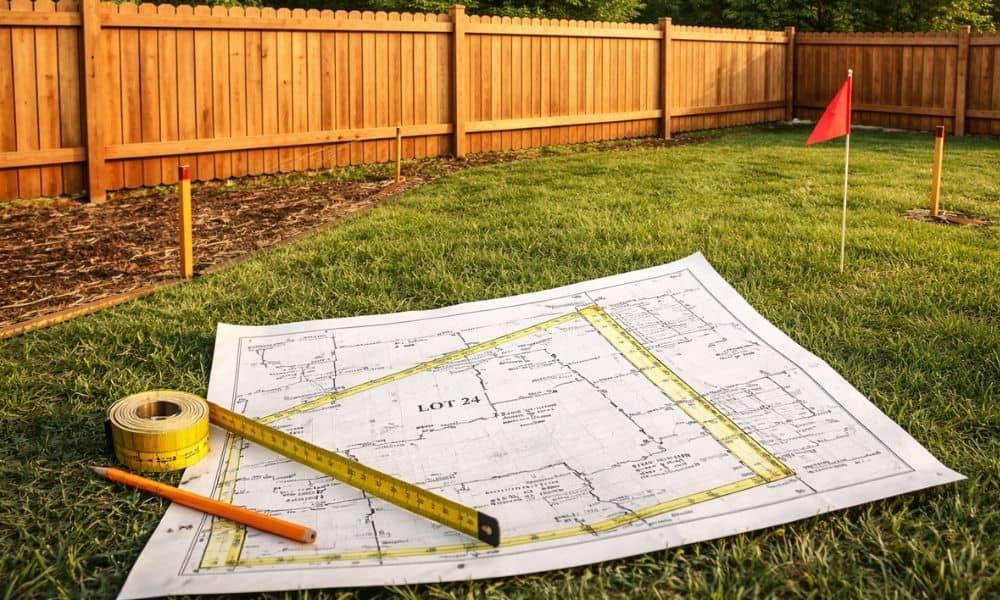
You found your old property survey, and it looks clear. The lines are there, the measurements seem right, and everything feels simple. So you think you’re ready to build your new fence. Most homeowners feel the same way at this stage, especially if they haven’t had to really understand how property lines work before.
However, that’s exactly where many homeowners run into trouble.
A fence might seem like a small project, yet it sits right on the edge of your property. Because of that, even a tiny mistake can lead to big problems. In many cases, an old property survey does not match what is actually on the ground today. As a result, people end up dealing with confusion, delays, or even tension with neighbors.
Before you start building, it helps to understand why that old survey might not tell the full story anymore.
Why Fence Projects Bring Hidden Issues to the Surface
Most home projects happen inside your property, so small errors do not show right away. A fence is different. It runs along the boundary, which means every inch matters.
At first, everything may seem fine. You look at your old property survey, mark the line, and plan your layout. That’s usually the point where people start thinking about getting a new property survey before building a fence, especially once they realize how close everything sits to the actual boundary. Yet once construction begins, questions start to come up. The fence line may not match what your neighbor expects. The spacing might feel off. Something just doesn’t look right.
Because fences sit at the edge of ownership, they often reveal problems that have been hidden for years. What looked correct on paper may not match real life anymore. That gap between paper and reality is where issues begin.
How Time Changes What Your Property Survey Shows
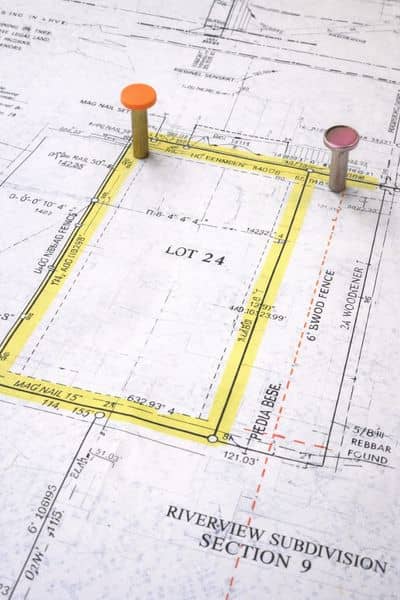
Even if your property looks the same, small changes happen over time. These changes are easy to miss, but they can affect where your fence should go.
For example, neighbors may build new structures or replace old ones. A fence, a shed, or even a garage can shift how boundaries appear. Over time, people begin to rely on what they see instead of what is legally recorded.
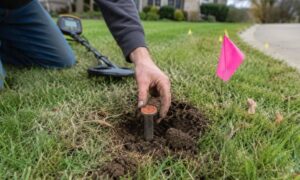
At the same time, boundary markers can move or disappear. These markers often sit below the surface, so landscaping or construction can cover them. Years later, it becomes hard to tell if the marker you found is still in the right place.
Shared spaces also create confusion. Driveways, alleys, and side yards often get used in ways that do not match the original layout. Little by little, those changes blur the true line between properties.
Because of all this, your old property survey may no longer reflect what is actually happening on your lot today.
The Risk of Trusting What “Looks Right”
Many homeowners trust what they can see. If there is an existing fence, they assume it marks the correct boundary. If they find a metal pin, they believe it shows the exact corner.
However, those assumptions can lead to problems.
Sometimes, fences were built in the wrong place years ago. No one noticed, so the mistake stayed. When a new fence follows that same line, the error continues.
Other times, pins get moved or disturbed. A marker that looks official may no longer sit in the correct location. So even though it seems reliable, it can still lead you in the wrong direction.
Because of this, relying on visual clues alone can be risky. A property survey is meant to confirm boundaries, not guess them.
What Happens When the Fence Goes in the Wrong Spot
At first, a small mistake may not seem like a big deal. The fence goes up, and everything looks fine. Then, a neighbor raises a concern.
Now the situation changes.
You may need to measure everything again. You may need to adjust or even remove part of the fence. In some cases, the issue turns into a dispute that takes time and effort to resolve.
Even if things stay calm, the mistake can still cause problems later. When you sell your home, buyers may question the fence placement. That can slow down the process or lead to new negotiations.
All of this can start from relying on an old property survey that no longer matches the current conditions.
When an Old Property Survey Still Makes Sense
To be fair, not every old survey becomes useless.
If nothing has changed on your property or nearby lots, the information may still be accurate. If boundary markers remain clear and undisturbed, you may have a reliable reference. Also, if your fence will sit well inside your property lines, small differences may not matter as much.
Even so, it is important to be careful. Fence projects leave very little room for error, so accuracy still matters.
When It’s Time to Get a New Property Survey
In many situations, getting a new survey is the safer choice.
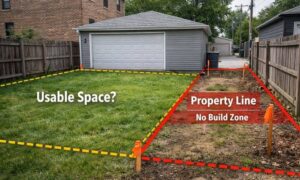
If you plan to build close to your property line, you need to be certain of the exact location. If you cannot clearly identify boundary markers, guessing becomes risky. If your neighbor recently built something, that change may affect how your lot lines feel or appear.
Also, if you are replacing an old fence, it is worth checking whether the original placement was correct. Many people discover too late that the previous fence did not follow the true boundary.
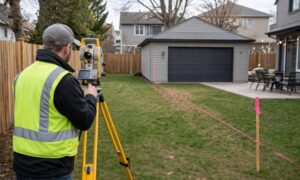
In these moments, a current property survey gives you clarity before construction begins.
Why Accuracy Matters More Than Ever
A fence is not something you move easily. Once it is installed, changing it takes time, effort, and money.
Because of that, it makes sense to get it right the first time.
A new property survey provides a clear picture of your land as it exists today. It helps you place your fence with confidence. It also helps you avoid misunderstandings with neighbors and gives you a solid reference if questions come up later.
Instead of relying on assumptions, you are working with verified information.
Build With Confidence, Not Guesswork
An old property survey can feel reliable. It looks official, and it gives you a sense of direction. However, over time, small changes can make that information less accurate than it seems.
Fence projects bring those differences to light. They force you to make decisions right at the boundary, where accuracy matters most.
So before you build, take a moment to confirm what you have. A clear, current understanding of your property can save you from stress, extra costs, and unwanted surprises.
In the end, the goal is simple. Build once, and build it right.