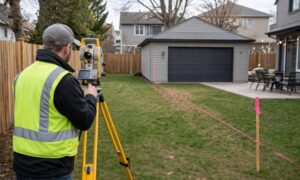
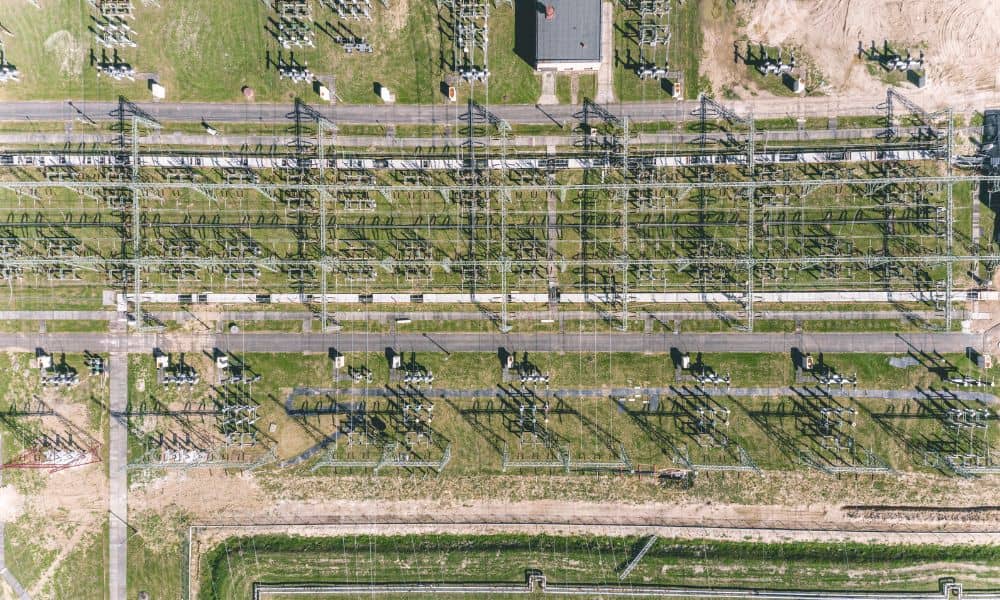
Chicago is seeing a surge in data centers. Big tech, cloud companies, and AI platforms all need space. As a result, large pieces of land around Chicago now move fast. Developers want sites near power lines, fiber routes, and major roads. However, this rush brings risk. Many buyers focus on size, price, and location. Yet they miss one key step early on. Getting an ALTA land survey early on can make a big difference, especially when you need to know if the land can truly support the project.
Today, that survey is not just paperwork. Instead, it helps answer one simple question: Can this land truly support the project?
Why Data Centers Are Changing Land Buying in Chicago
Data centers are not like normal buildings. They need more than just space.
First, they need huge amounts of power. So, the land must sit near substations or transmission lines. Next, they need strong internet access. That means nearby fiber routes. Also, they need flat and stable ground. Even small slopes can affect design. Finally, they need room to grow. Many projects expand after the first phase.
Because of this, land that looks “good” on paper may not work at all.
For example, a site may look wide and open. Yet it may lack proper access. Or it may have hidden limits that block expansion. That is why buyers now rely more on an ALTA land survey before they move forward.
Why “Looks Buildable” Is Not Enough
Many sites look perfect at first glance. They seem flat. They seem open. They seem ready.
However, what you see is not always the full story.
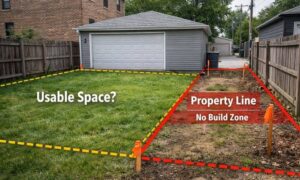
Sometimes, land has recorded easements. These allow others to use part of the property. For example, utility companies may have rights to install or maintain lines. Other times, access points are limited. Large trucks may not enter or exit safely. In some cases, boundaries do not match what the owner believes.
Because of this, a project can face problems after purchase. And by then, changes cost time and money.
So, instead of guessing, developers take time to understand what an ALTA land survey includes, so they can clearly see what is usable and what might cause problems later.
How an ALTA Land Survey Helps Early
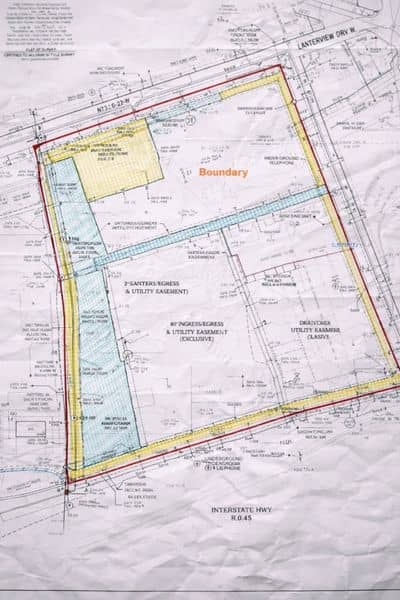
An ALTA land survey gives a clear picture of the property. It connects legal records with what exists on the ground.
First, it shows the true boundaries. This helps avoid overlap with nearby properties. Next, it reveals easements. These can limit where buildings or equipment can go. Also, it confirms access points. This matters for traffic flow and safety. In addition, it aligns with title records. That helps lenders and buyers feel confident.
Because of this, teams can plan with fewer surprises.
More importantly, they can make decisions early. If the site has limits, they can adjust or walk away before spending more.
Common Land Issues That Affect Data Center Projects
Large industrial projects face unique problems. Data centers are even more sensitive.
For example, some sites have only one access point. That may not support heavy traffic. In other cases, utility lines run through key build areas. This can block important structures. Also, some parcels have odd shapes. That reduces layout efficiency. Meanwhile, nearby land use can create issues. Residential areas may limit noise or traffic.
Each of these issues can change a project. Some may even stop it completely.
That is why developers use an ALTA land survey to spot these problems early. It helps them see beyond the surface.
Why Timing Matters More Than Ever
In today’s market, speed matters. Land deals move quickly. Competition is high.
Because of this, waiting too long to check the site can be risky.
In the past, some buyers ordered surveys later in the process. However, that approach no longer works well. Now, many developers order an ALTA land survey much earlier. This gives them a clear view before making big commitments.
As a result, they gain an edge. They can act faster, but also smarter.
They do not waste time on land that will not work. Instead, they focus on sites that meet their needs.
What Buyers Should Check Before Moving Forward
Before choosing a site, buyers should look closely at key details.
First, confirm that access supports large vehicles. Next, check that no easements block major structures. Also, make sure there is enough usable land for the full plan. Then, review any limits that may affect future expansion. Finally, align survey results with design and engineering teams.
Each of these steps reduces risk.
And once again, an ALTA land survey plays a central role in all of them.
Why This Matters for Chicago
Chicago sits at the center of major networks. It connects power, data, and transportation. Because of this, it attracts large data center projects.
However, this also means land is more complex. Many parcels have long histories. Some have mixed uses. Others sit near dense infrastructure.
So, even strong-looking sites may hide challenges.
That is why buyers in Chicago must dig deeper. They must understand not just the land, but also its limits.
An ALTA land survey helps bring that clarity.
Final Thoughts
Chicago’s data center growth is not slowing down. Demand keeps rising. Land deals keep moving.
However, the stakes are now higher. One mistake can cost millions. One missed detail can delay a project.
Because of this, smart buyers focus on certainty.
An ALTA land survey helps them see the full picture. It shows what is possible, and what is not.
In today’s fast-moving market, that clarity makes all the difference.