
Buying land sounds simple until the soil starts asking questions. A perc test can be one of the most important steps before moving forward with a vacant lot, especially if the property may need a private sewage system instead of a public sewer connection. In the Chicago area, that issue does not come up on every parcel, but it still matters on certain properties in Cook County and nearby areas where sewer access is limited.
What the Recent Illinois Groundwater Focus Means for Land Buyers
The news angle here is a closest recent match. Illinois health officials issued a private well testing advisory in 2025 after detecting groundwater contamination above state standards in parts of the region. Around the same time, federal agencies reinforced guidance around septic systems and their role in protecting water quality.
This matters because it signals stricter attention on how wastewater interacts with soil. For land buyers, that means more scrutiny before approvals and fewer assumptions about what land can support.
Why a Perc Test Still Matters in Chicago
A perc test matters because it shows whether the soil can absorb water at a safe and steady rate. Even in a major metro like Chicago, not every parcel has access to public sewer systems.
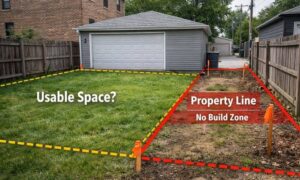
Some edge properties, redevelopment lots, or semi-rural areas still depend on septic systems. That makes soil conditions a key factor in whether a property is actually buildable.
What a Perc Test Looks for Before Septic Approval
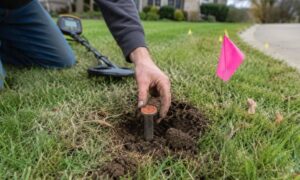
A perc test evaluates how quickly water moves through the soil. This helps determine if wastewater can be treated naturally underground.
The test looks at factors like soil type, drainage rate, and seasonal water levels. In many cases, this process is paired with a full soil evaluation to confirm long-term suitability.
What Can Cause a Property to Fail
Many buyers assume a clean, flat lot will pass without issues. That is not always the case.
Common reasons for failure include slow-draining clay soils, high groundwater levels, and poor natural filtration. These issues can make standard septic systems unsafe or non-compliant.
How Buyers Can Avoid Delays and Costly Surprises
The biggest mistake buyers make is waiting too long to test the soil. A perc test should happen early in the due diligence process.
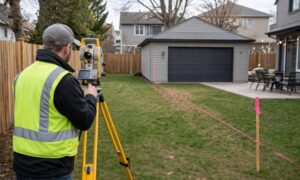
Many buyers focus on location, price, and layout, but overlook what is happening below the surface. Taking time to get help understanding your land before building can make a big difference, especially when septic approval is involved. A simple soil issue can delay a project or change the entire plan if it is discovered too late.
To reduce risk, buyers should:
- Confirm sewer availability before assuming septic is needed
- Ask for existing soil reports
- Check if older tests are still valid
- Verify local approval requirements
- Plan for testing before closing
Taking these steps early helps avoid delays, redesign costs, and failed deals.