
If you plan to sell or refinance your home, now is the right time to get a loan closing survey. Cook County will send out its second property tax bills for 2024 on November 14, and payments are due by December 15. With the bills coming late and deadlines getting close, it’s smart to make sure your property details are correct. A fresh survey can help you avoid stress, extra costs, and last-minute surprises on closing day.
What’s Happening in Cook County
This year, Cook County is sending tax bills later than normal. That means homeowners and lenders have less time to review records before payment is due. Property taxes are based on county data—lot size, use, and improvements. If those records don’t match what’s really on your property, problems can appear fast.
Maybe your old garage was torn down or you added a deck that never made it into the files. These small differences can cause errors in your tax bill and raise questions from your lender during closing. Fixing them ahead of time keeps things simple and smooth.
Why It Matters for Your Closing
A home closing is all about trust. The lender, title company, and buyer need to know the property is exactly what the paperwork says it is. A loan closing survey gives everyone that proof.
It’s a drawing made by a licensed land surveyor that shows your property’s true boundaries and where buildings sit. It also shows if anything crosses into a neighbor’s lot or a public area. Lenders use this to make sure the legal description and the land match.
If your survey is missing or outdated, your lender may stop the process until it’s fixed. Ordering your survey early gives you control instead of waiting for someone else to find a problem.
How Tax Bills Connect to Surveys
When you get your tax bill, take a few minutes to check it carefully. The numbers on the bill—lot size, property type, and value—should match what’s shown on your survey. If they don’t, you might pay too much tax or face confusion when you try to close.
For example, if your tax bill says your lot is 25 by 125 feet but your survey shows it’s slightly bigger, your records may be out of date. That small difference can lead to issues when your lender checks property details. A current loan closing survey clears up those mistakes and makes sure your closing goes as planned.
What Homeowners Should Do Now
Start by looking at your most recent survey or Plat of Survey if you have one. Check that it still shows your home and improvements correctly. If you’ve added a porch, extended your garage, or changed your driveway, you might need an update.
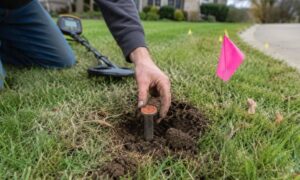
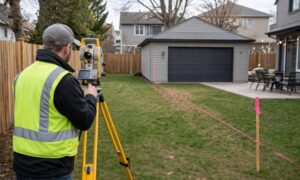
If you’re not sure or can’t find your old survey, contact a local licensed land surveyor and tell them you need a loan closing survey. The surveyor will visit your property, measure the lot, mark boundaries, and note anything like easements or fences.
Doing this before your tax bill is due—or before your closing—saves time and stress. Your lender will get the documents they need, and your title company can finish the file without delay.
Common Problems a Loan Closing Survey Fixes

Unrecorded Additions. Homes often have small upgrades—rear decks, patios, or enclosed porches—that were never recorded. A loan closing survey adds them to your records.
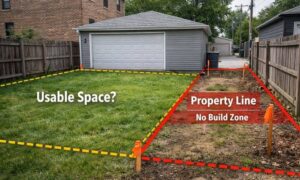
Boundary Line Conflicts. Older neighborhoods sometimes have fences or garages built on or over property lines. The survey shows exactly where everything is and helps avoid disputes.
Easements and Setbacks. Easements for utilities or driveways can limit how your land is used. A survey makes these clear before you close.
Outdated Legal Descriptions. Over time, lot descriptions can change slightly. The survey makes sure what’s on paper matches what’s on the ground.
Why You Shouldn’t Wait
Waiting until the last minute to order your survey can cost you more and delay your closing. Lenders and title companies depend on it to complete their paperwork. Without it, they can’t move forward. Even a short delay could push back your closing date or make you lose your locked-in loan rate.
By scheduling your survey right after you get your tax bill, you’ll have plenty of time to fix any issues—without paying rush fees or risking your deal.
Lessons from the Pros
Big developers never skip their surveys. Before building anything, they make sure every inch of land is measured and mapped. That’s because accurate surveys prevent costly mistakes later. Homeowners can use the same idea: know your boundaries and be confident everything matches before you sign closing papers.
Your Next Step
Now’s the time to act. Check your tax bill, review your records, and schedule your loan closing survey. It’s a small effort that can protect your closing and your budget.
If something doesn’t match between your tax records and what’s on your survey, share your documents with a surveyor. They can fix or update it so all the records agree. When your closing day comes, you’ll be ready—with no last-minute surprises.
Final Thoughts
Cook County’s tax-bill season is your reminder to double-check your property details. Your tax bill, your survey, and your loan documents should all tell the same story. Getting a loan closing survey now isn’t just another task—it’s the best way to protect your property, your finances, and your peace of mind.
Don’t wait for your lender to ask for it. Be proactive. This year’s short tax-bill timeline gives you the perfect reason to make sure everything is accurate, updated, and ready for a smooth closing.