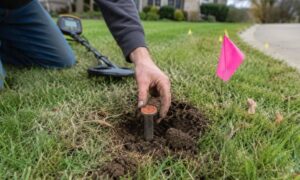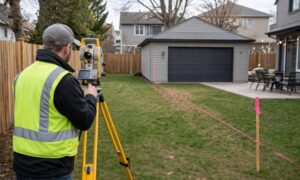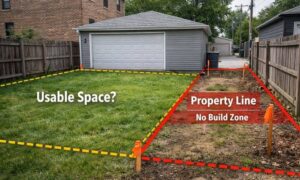
Before buying industrial land in Chicago, conducting a due diligence survey is one of the most important steps you can take. It helps uncover hidden risks like soil contamination, underground tanks, and hazardous materials — issues that could delay your project or cost you thousands later. Skipping this crucial step can turn a promising investment into a financial burden.
Due diligence means checking for things like:
- Pollution in the soil, water, or air.
- Hazardous materials like asbestos or lead.
- Old underground tanks that might be leaking.
Skipping these checks can lead to big problems that might cost you a lot of money. So, it’s super important to do your research before you start a project.
Why is Due Diligence Important in Chicago?
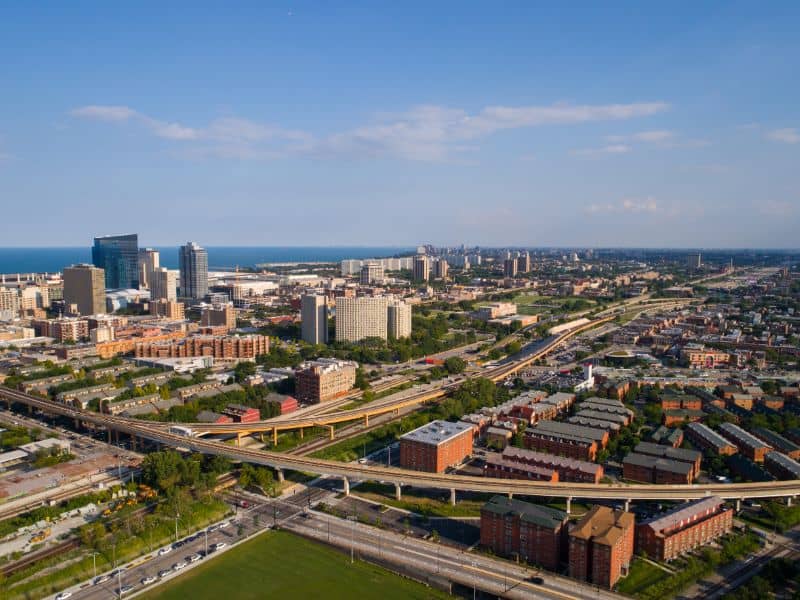
Chicago has many old industrial areas, which means there could be hidden dangers on the land. In the past, factories and warehouses might have used dangerous chemicals or left behind pollution. Some of these problems are buried deep under the ground and can’t be seen easily.
If you don’t do due diligence, you might end up buying land that has toxic waste or dangerous chemicals in the soil. These could cause health problems for people or make it hard to build safely. For example, if there’s lead in the ground, it could affect the water or air, making it unsafe for people to live or work there.
How Does Due Diligence Help?
When you do due diligence, you’re trying to find these problems before you start your project. It helps you understand what’s really going on with the land. Here’s what you check for:
- Soil contamination: Old factories might have spilled chemicals or other toxic substances in the soil.
- Air pollution: Materials like asbestos might still be in the old buildings. Asbestos is a harmful material that can get into the air.
- Underground tanks: Factories often used big tanks to store chemicals or oil. These tanks could be leaking underground and causing pollution.
- Water contamination: Chemicals or waste in the soil can get into nearby rivers or groundwater, making the water unsafe.
To find out if these problems exist, you need to do:
- Research on the land’s history: What was the property used for before? Was it a chemical plant? An old factory?
- Environmental Site Assessment (ESA): This is a test to check the soil, water, and air quality. If the site has problems, the ESA will tell you.
The Cost of Skipping Due Diligence
A developer bought an old industrial property on Chicago’s South Side. They wanted to turn it into a residential area for people to live. The land seemed like a good deal, and the survey showed clear boundaries. However, the developer didn’t do an Environmental Site Assessment (ESA). They didn’t check if there were any dangerous chemicals or pollution on the land.
When demolition workers started tearing down old buildings, they discovered that the land had been used as a chemical plant for many years. The soil was contaminated with dangerous chemicals, heavy metals, and toxic solvents. This was a huge surprise for the developer because they hadn’t checked the land properly before buying it.
The developer had to stop the project and spend over $200,000 to clean up the pollution. They also faced delays, and the project was pushed back by over a year. On top of that, they had to pay fines for not following the rules for handling pollution.
If they had done the right due diligence, they would have discovered the contamination earlier. They could have budgeted for cleanup and avoided the fines and delays.
What Could Have Prevented This?
If the developer had done an Environmental Site Assessment (ESA), they would have known about the pollution in the soil. The ESA would have:
- Tested the soil and water for dangerous chemicals.
- Identified hidden pollution like old underground tanks.
- Given a report on the potential risks and how to clean up the site.
Doing these checks before buying the land would have saved the developer a lot of time and money. They could have planned for cleanup costs, avoided fines, and kept their project on schedule.
Why Skip Due Diligence? It’s Not Worth It!
Some people might think that skipping due diligence will save them time or money. But this is a big mistake. Without checking the land first, you could face:
- Expensive cleanup costs that you didn’t expect.
- Delays because you’ll need to fix problems before you can build.
- Legal issues and fines because you didn’t follow safety rules.
Doing due diligence might take some extra time and money at the beginning, but it can save you a lot in the long run. It helps you avoid surprises and makes sure your project goes smoothly.
How Can You Do Due Diligence?
Here are a few steps to do your own due diligence before buying land:

1. Get an Environmental Site Assessment (ESA). This will test the soil, water, and air for pollution.
2. Research the land’s history. Find out what the property was used for in the past. Was it a factory? A gas station?
3. Look for signs of pollution. If you see things like rusty pipes, old tanks, or strange smells, this could be a sign of contamination.
4. Hire experts. Get a professional environmental consultant or surveyor to help you. They know how to look for hidden problems and can guide you through the process.
What Are the Risks Without Due Diligence?
Skipping due diligence — including essential steps like an ALTA survey for industrial land — can lead to serious risks, such a
- Unexpected costs: You might have to spend a lot of money to clean up pollution.
- Health and safety risks: If the land is polluted, it can be dangerous to build on or live in.
- Legal issues: You might get fined or face lawsuits if you don’t follow the rules for cleaning up pollution.
By doing your due diligence, you’ll be prepared for any problems and can avoid these risks.
Protect Your Investment with Due Diligence
If you’re planning to buy industrial property in Illinois, doing your due diligence is more than a formality — it’s your safeguard. This includes checking for hidden risks like pollution, hazardous materials, and outdated infrastructure before you close the deal.
One key step is ordering a commercial land survey to confirm boundaries, easements, and legal access. Combined with an environmental assessment, this gives you the full picture of what you’re actually buying.
Doing proper due diligence will help you:
- Avoid costly surprises down the road
- Stay compliant with zoning and environmental regulations
- Keep your project on time and on budget
Before you invest, investigate. That’s the smartest way to protect your time, money, and reputation.