Big construction projects always grab attention. A new stadium rises. A large mixed-use district begins to grow. People see cranes and steel and think the real work starts when machines arrive. However, that is not the first step. Before the first truck moves dirt, teams must know exactly where everything belongs. Buildings must sit in the right place. Walkways must line up. Roads must connect the right way. This is where a construction survey becomes critical.
Without accurate measurements, even the most exciting project can face serious problems. That is why developers rely on how a construction survey guides large projects long before construction crews begin working on the site.
Big Projects Leave No Room for Guessing
Large developments cover a lot of land. A stadium alone may take up several acres. Around it, developers often build parking garages, shops, hotels, and open public spaces.
Because of this size, everything must fit together correctly.
For example, a stadium entrance must line up with nearby streets and sidewalks. Parking areas must connect to access roads. Drainage areas must move rainwater away from buildings. This level of coordination is exactly why construction survey work on large projects becomes so important.
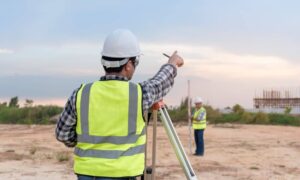
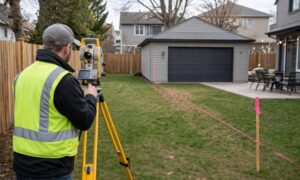
A construction survey helps place every part of the project where the design says it should go. Surveyors measure the land and set fixed reference points. These points guide construction crews during the entire project.
As a result, builders follow clear measurements instead of guessing.
Survey Control Points Guide the Site
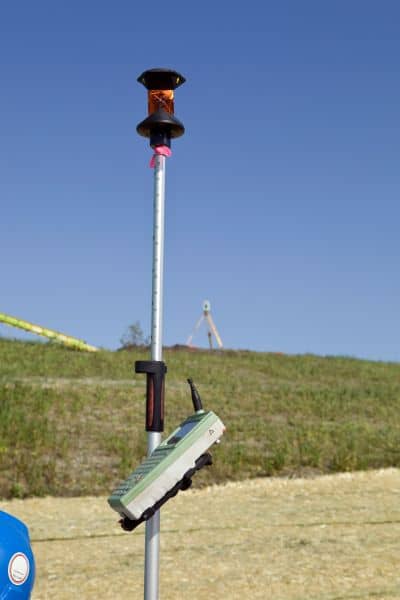
On a large construction site, many teams may work at the same time. One crew pours concrete foundations. Another installs steel beams. Meanwhile, another team prepares walkways and open areas.
Each group needs the same starting reference.
That reference comes from survey control points.
A construction survey places these control points across the site. They act like anchors for the project. Every contractor uses them to confirm the correct location for their work.
Because everyone follows the same measurements, the project stays aligned.
Without these control points, crews might measure from different starting spots. Even a small difference can cause problems later.
Stadium Design Requires Very Precise Layout
Stadium construction has unique challenges. These buildings use large curves and structural grids.
Seats must line up in clear rows. Structural columns must support heavy roof systems. Walkways must sit at the right height.
Because of this complexity, the layout must stay very precise.
A construction survey marks key locations before construction begins. Surveyors set the points for columns, foundations, and structural lines. These measurements guide the first stage of building.
Later, surveyors return to check that everything stays in the correct place.
This helps keep the structure square and balanced as the project grows.
Many Contractors Must Work Together
Mega-development projects rarely involve just one builder. Instead, many contractors handle different parts of the project.
For example, one company may build the stadium structure. Another installs lighting systems. Others build nearby shops or public spaces.
Each contractor works on their own section of the site.
However, every section must still connect correctly.
A construction survey gives everyone the same measurement system. Survey data shows each contractor where their work should start and end.
Because of this, the different parts of the project fit together smoothly.
Without survey guidance, crews might build correctly in their own area but still misalign with the rest of the site.
Small Errors Grow Quickly
Large projects make small errors more serious.
Imagine a building column placed only two inches away from the correct spot. On a small structure, this might not cause a big problem.
However, on a stadium or large building, that small mistake spreads.
Columns support beams, and beams support roof systems. When the base point shifts, every connected part also shifts.
Over long distances, these small changes can cause walls, roofs, or seating areas to misalign.
A construction survey helps prevent these problems.
Surveyors check measurements many times during construction. When they confirm the correct position early, crews can fix small issues before they grow bigger.
Surveying Continues During the Whole Project
Some people think surveying happens only once at the start of construction.
In reality, it continues throughout the project.
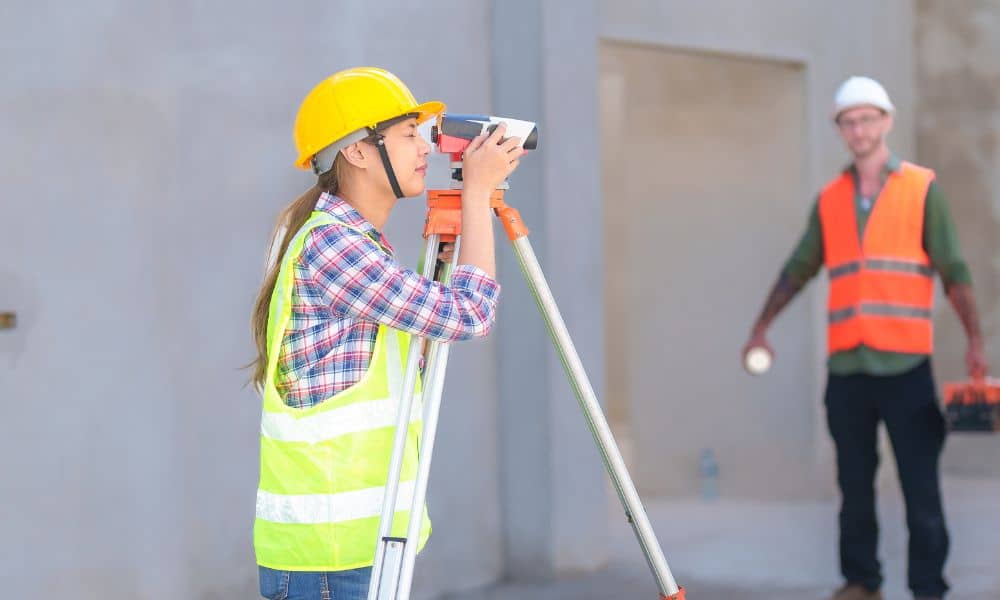
Surveyors return many times to measure progress and confirm accuracy.
During construction, a construction survey helps with:
- marking foundation corners
- placing structural columns
- checking elevation levels
- confirming building alignment
Later, surveyors measure the final position of structures and record them in official project documents.
These records become part of the long-term information for the property.
Cities Need Accurate Survey Data
Cities need accurate information for large developments.
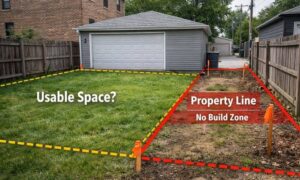
Local officials review building plans carefully. They must confirm that projects follow approved designs and stay within property limits.
Survey data helps confirm these requirements.
A construction survey provides verified measurements that city engineers and inspectors can trust.
Because of this, surveyors play an important role in large construction projects.
Developers Protect Their Investment
Large construction projects involve major investments.
Developers spend millions on design, materials, labor, and equipment. They also work with tight schedules and many teams.
Because of this, they cannot risk layout mistakes.
A construction survey protects the project by giving accurate measurements that guide construction.
With reliable survey data, contractors build with confidence. Designers know their plans fit the real site. Investors see that the project moves forward with accuracy.
Accuracy Builds Confidence
When people see a new stadium or large development rising in their city, they focus on the visible progress.
However, the success of these projects depends on careful planning and accurate measurements long before the final structure appears.
A construction survey helps turn detailed designs into real buildings that fit correctly within their surroundings.
By guiding layout, coordinating teams, and checking accuracy during construction, surveyors help make sure these large projects stand strong for many years.
And on projects where size increases every measurement, precision always matters.