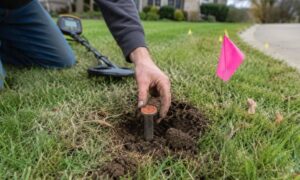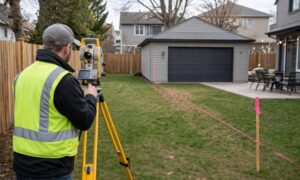
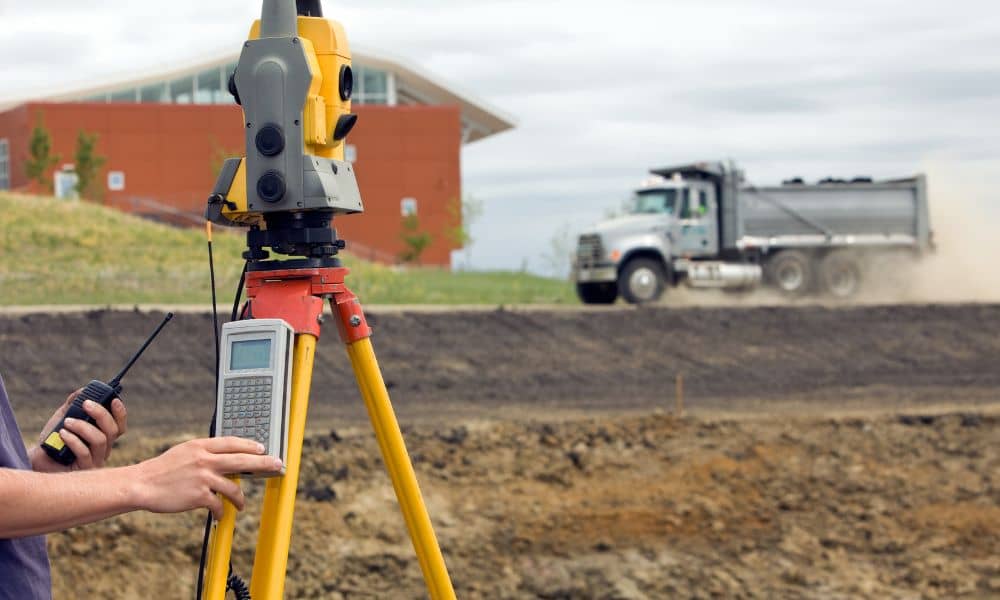
If you’re planning construction or an addition, property surveys lay the groundwork for every step of construction. In fact, the city has a strict rule that requires an “ALTA-type” property survey less than 60 days old for certain projects. Many homeowners and builders only learn this rule after their application gets rejected, wasting valuable time and money. By understanding how the 60-day rule works—and how Chicago’s unique survey requirements differ from Cook County—you can keep your project moving without costly setbacks.
Why Enforces the 60-Day Survey Rule
City reviewers rely on surveys to confirm that your plans match real site conditions. A survey older than 60 days is considered outdated, even if the property seems unchanged. Why? Because in a city as dense as Chicago, small adjustments happen all the time. A neighbor installs a fence, a garage addition goes up, or utility work shifts an easement. An older survey can’t guarantee accuracy for current reviews.
If your submission includes a survey past the 60-day limit, the city will almost certainly reject it. That means resubmitting, paying fees again, and often adjusting designs to line up with new measurements.
What an ALTA-Type Property Survey Includes
The city doesn’t just want a sketch of your lot—it requires an ALTA-type survey. This follows national standards set by the American Land Title Association and the National Society of Professional Surveyors.
For a permit application, your survey should clearly show:
- Exact boundary lines with legal precision.
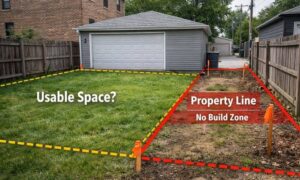
- Encroachments, such as fences, driveways, or sheds that cross property lines.
- Easements where utilities or other rights exist on the property.
- Setbacks, showing how close structures are to lot lines.
Missing or unclear details in any of these areas can hold up approvals.
The Datum Puzzle: Chicago City Datum vs. NAVD 88
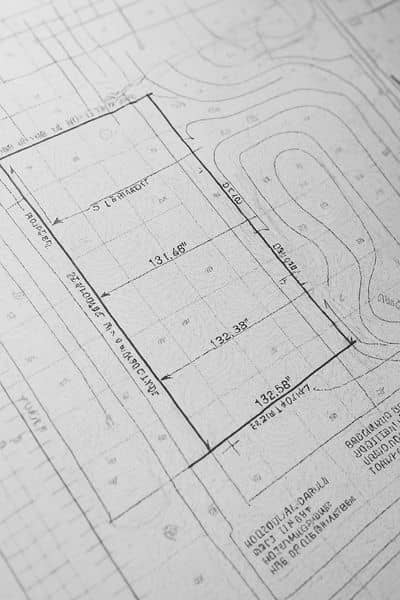
Another wrinkle many property owners don’t expect is Chicago’s use of different elevation datums.
- The City of Chicago uses its own benchmark system called the Chicago City Datum (CCD).
- Cook County, on the other hand, often requires surveys tied to NAVD 88, a nationwide elevation standard.
This difference matters. Submitting a survey tied only to CCD when the county review expects NAVD 88 can result in rejection, even if everything else is correct. The safest approach is to ask your surveyor to tie your survey to both datums so reviewers have the data they need.
How Surveyors Handle Benchmarks
Licensed surveyors follow a straightforward process to prevent problems:
- Identify the nearest CCD benchmark provided by the City of Chicago.
- Connect that benchmark to a NAVD 88 point from the National Geodetic Survey.
- Show both datums clearly on the survey plat with notes and legends.
By documenting both, your survey meets requirements for city and county reviewers without delays.
Cook County’s Recency Rules
Beyond the 60-day requirement, Cook County adds its own timelines for surveys used in engineering submissions.
- Property line surveys must be less than five years old.
- Topographic surveys must be less than two years old.
County reviewers also expect to see spot elevations, one-foot contour intervals, drainage flow directions, and ties to neighboring lots. Leaving these details out often leads to resubmittals or design changes.
How Outdated Surveys Create Real Costs
Some property owners try to cut costs by reusing older surveys. Unfortunately, that decision usually backfires.
- Permit delays: A stale survey forces you to restart the process.
- Design changes: Architects may need to redraw plans if updated boundaries or easements show something different.
- Schedule setbacks: Construction timelines can unravel when approvals stall, affecting financing, contractor bookings, and seasonal work.
In the end, ordering a fresh property survey is far less expensive than dealing with the ripple effects of rejections.
Smart Strategies to Keep Your Project on Track
Avoiding rejections is easier if you plan ahead:
- Request your survey early. Don’t wait until plans are complete—having current data helps architects design accurately.
- Coordinate with your team. Make sure your surveyor, architect, and engineer share the same baseline data.
- Double-check benchmarks. Ask your surveyor to tie into both CCD and NAVD 88 so the survey satisfies all reviewers.
- Store your copies. Keep digital and original stamped versions safe, since reviewers may request both.
Why This Matters for Homeowners and Builders
The building environment is complex. Lots are narrow, infrastructure is old, and the city enforces strict review standards. Even a small mistake—like relying on an outdated survey—can stop a project in its tracks. A clear, current property survey gives everyone confidence: city officials, engineers, lenders, and most importantly, you.
Think of it as the first brick in your construction project. With a solid survey, everything else builds on top of it smoothly. Without one, the entire process risks crumbling under delays and added costs.
Conclusion
Property surveys aren’t just technical documents—they are the backbone of a successful permit application. The city’s 60-day rule, combined with benchmark requirements and county recency standards, makes fresh, accurate surveys non-negotiable. By working with a licensed surveyor who understands local rules, you protect yourself from rejections, redesigns, and wasted time.
If you’re planning a project, don’t let paperwork derail your schedule. A properly prepared property survey is the smartest first step toward building with confidence.