
Chicago’s real estate market is changing again. Buyers are returning, listings are moving, and deals are getting signed. However, one thing feels very different this time. There is far less patience for uncertainty. As a result, the ALTA survey has moved from a background document to a make-or-break step in many transactions. For buyers, sellers, and lenders, this shift matters more than most people realize.
In earlier cycles, deals were often pushed forward with assumptions. Today, assumptions break deals. That is why ALTA surveys are no longer optional in serious transactions.
A Market That Is Active—but Less Forgiving
Recent market outlooks point to steady movement heading into 2026. Activity is returning, but caution remains. Buyers want clarity before committing. Lenders want proof before approving. Meanwhile, sellers want deals that close without surprises.
Because of this mindset, every part of due diligence carries more weight. Surveys sit at the center of that process. If property facts do not line up early, deals slow down or stop altogether. In this environment, the ALTA survey often becomes the document that decides whether a transaction moves forward.
Why Deals Fall Apart After They Begin
Many real estate deals no longer fail at the offer stage. Instead, they fall apart during review. Everything looks fine on paper until the survey reveals issues that no one expected.
This moment usually happens after time and money have already gone into the deal. Attorneys review titles. Lenders run numbers. Developers plan layouts. Then the ALTA survey shows access problems, encroachments, or conflicts with recorded easements.
At that point, momentum disappears. Buyers hesitate. Sellers push back. Lenders pause. Even strong deals struggle to recover when new risks appear late.
The ALTA Survey Is Now a Gatekeeper

In 2026, ALTA surveys no longer serve only as closing documents. Instead, they act as gatekeepers. They answer one key question early: Is this property truly usable as intended?
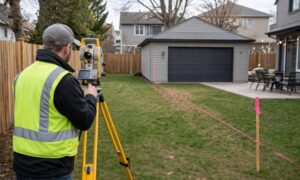
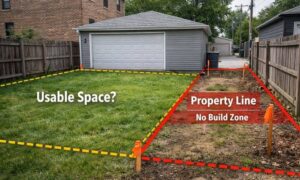
An ALTA survey confirms boundaries, access points, easements, and improvements. More importantly, it shows how recorded information matches real conditions on the ground. When those two do not align, the survey becomes the deciding factor.
Because of this role, survey review now shapes financing decisions, title insurance approvals, and development plans. Without a clean ALTA survey, most deals cannot move forward with confidence.
Survey Findings That Commonly Stop Chicago Deals
Chicago properties carry unique challenges. Many parcels have long histories, layered ownership, and shared infrastructure. Because of that, surveys often uncover issues that documents alone do not show.
Some of the most common deal-stopping findings include:
- Access routes that rely on shared alleys without clear legal rights
- Encroachments from older buildings crossing property lines
- Improvements placed inside easements without approval
- Driveways or parking areas that extend beyond legal boundaries
- Recorded access that does not exist on site
Each issue raises questions. Can the property function as planned? Will the title ensure it? Will lenders accept the risk? If answers remain unclear, deals stall fast.
Why Properties Face Higher Survey Risk
Chicago’s density adds complexity. Many parcels sit next to each other with little room for error. Over time, small changes create bigger conflicts. Fences move. Buildings expand. Utilities shift.
In addition, redevelopment plays a major role. Older sites often combine new improvements with historic records. When surveys rely on reused data, gaps appear. What worked years ago may no longer reflect today’s conditions.
Because of these factors, ALTA surveys in Chicago require careful attention. Small discrepancies carry more impact in urban environments where space remains limited.
When an ALTA Survey Becomes Truly Non-Negotiable
Not every transaction requires the same level of survey review. However, several situations make an ALTA survey essential.
These include commercial purchases, refinancing, mixed-use redevelopment, and change-of-use projects. In these cases, survey clarity supports financing, title insurance, and long-term planning.
In addition, buyers often rely on survey findings to confirm assumptions before final pricing. If issues appear, they affect negotiations directly. Without reliable survey data, those negotiations break down.
How Buyers Use ALTA Surveys to Protect Momentum
Smart buyers treat ALTA surveys as decision tools, not paperwork. Instead of reacting late, they use survey results to guide next steps.
For example, buyers review access details before finalizing site layouts. They confirm improvements align with intended use. They also identify risks early enough to renegotiate or walk away.
By doing this, buyers maintain control. They avoid spending time and money on deals that cannot meet requirements. In a market that moves carefully, this approach protects momentum.
What Sellers Need to Understand in This Market
Sellers also feel the shift. Buyers now expect transparency. When survey issues appear late, trust drops fast.
Clean survey data builds confidence. It shortens review periods. It reduces back-and-forth negotiations. In many cases, it keeps deals from collapsing under pressure.
Sellers who understand this dynamic position their properties better. They remove uncertainty before it disrupts interest. As competition increases, clarity becomes a selling advantage.
The Bigger Picture for 2026
Chicago will continue to evolve. Development will move forward. Investment will return. However, the path forward rewards preparation over speed.
ALTA surveys sit at the center of that preparation. They confirm facts. They expose risks. Most importantly, they support confident decisions when stakes remain high.
As 2026 approaches, the message becomes clear. An ALTA survey no longer serves as a final step. Instead, it plays a central role in determining which deals succeed.
Final Thoughts
Chicago’s real estate market is shifting into a more disciplined phase. Activity returns, but expectations rise. In this environment, clarity matters more than optimism.
An ALTA survey provides that clarity. It turns assumptions into verified information. It protects buyers, supports lenders, and strengthens transactions.
In 2026, the deals that finish will not be the fastest ones. They will be the ones built on solid data. And more often than not, that data starts with a reliable ALTA survey.