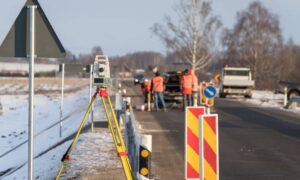
Developers know that property surveys matter. But many miss an important question from surveying companies: can crews access your property through the alley?
This isn’t a small question. Alley access affects how surveyors work, what tools they bring, and how much time they need. Knowing about alley conditions saves money, prevents delays, and keeps projects on track.
Here’s the problem: Many Chicago properties need alley access. If surveying companies don’t know about your alley, the crews show up unprepared. This causes scheduling problems, equipment issues, and wasted time.
Historic Alley Networks Create Unique Access Conditions
Chicago has lots of alleys. Old neighborhoods were built with alleys in the back. These alleys were used for utilities, trash, and service vehicles. Today, those alleys are still important.
But old doesn’t mean the same everywhere. Alleys are different. Some are open and clean. Others are locked, blocked, or shared by many property owners.
Why surveying companies need to know:
Surveyors need to check if an alley is usable. A locked gate means someone needs a code. A narrow alley, where buildings expanded over time, might not fit survey equipment. An alley full of dumpsters or parked cars needs a different plan.
Chicago properties have features in the back. Garages, fences, walls, and property lines are back there. Only the alley can reach them. Surveyors must know if the alley works before they come to your property. Each Chicago property is different. No two alleys are the same.
Rear Property Features Are Often Easier to Reach Through the Alley
Surveyors need to look at features in the back of your property. Garages, fences, utility buildings, retaining walls, and rear lot lines all matter. These show where your property really ends.
The best way to reach these features is through the alley, not through your building or your neighbor’s yard.
Why this matters for your project:
Surveyors try to avoid walking through occupied buildings. It’s safer and faster. It respects people inside buildings and neighbors. Using the alley means crews can measure and look around without bothering anyone.
For developers with multiple properties or crowded blocks, alleys save time. Crews can move from one survey point to another without getting stuck dealing with gates or asking for special permission. This means faster work and fewer problems.
Access Restrictions Can Affect Scheduling and Crew Planning
Real obstacles slow down surveys. Locked gates happen all the time. Security systems need warning. Commercial areas have loading schedules. Dumpsters and cars block the way. Building materials take up space.
Surveying companies ask about alleys early because these things need planning.
How access information shapes crew decisions:
A locked gate means you need to give a code or meet the crew. This changes the schedule. A narrow alley with commercial loading from 8 a.m. to noon means crews come early morning or after hours. Parked cars blocking the way means the crew needs to work around parking times.
Knowing these things helps surveying companies send the right number of workers. A complicated alley might need extra people to handle gates, move vehicles, or navigate tight spaces. An open alley gives crews more scheduling options.
Knowing about problems ahead of time also prevents wasted trips. Crews show up ready. No time is spent solving access problems on the job.
Alley Conditions May Influence Equipment Selection
Survey equipment comes in different sizes. Small setups work fine for open alleys. Tight spaces need different tools.
Narrow passages mean equipment must be placed carefully. Broken pavement can make tripods unstable. Overhead obstacles like power lines, trees, or building edges block views. Thick plants can block measurement paths. Cramped alleys with poor light create safety problems.
Equipment decisions depend on alley conditions:
Surveyors choose tools based on what the alley allows. They decide if standard equipment works or if they need special tools. They figure out if they can measure from the alley itself or if they need to go on neighbor’s property.
Understanding alley conditions first prevents equipment problems. Crews don’t waste time moving tools around or coming back for different equipment. They bring the right tools. Work happens faster.
Providing Access Information Helps Reduce Repeat Site Visits
Extra trips cost money. They delay projects. They use the budget for other things.
Property owners who share access information upfront help surveying companies get the job done right the first time.
What developers can share:
Take photos of your alley before the survey. Say if the gate is locked and share codes if you can. Mention any building materials, dumpsters, or cars always parked there. Point out power lines and tree branches. Describe how the pavement looks. Say if the alley is shared with neighbors and how that works.
This helps surveyors prepare. They know what to expect. They bring the right tools. They schedule the right time. They talk to the right people first.
Good access to information helps communication too. If crews need to access neighbor property or talk to tenants, early notice stops problems. Everyone can focus on one goal: finishing the survey on time without disruptions.
Here’s What Actually Happens
Your surveying company asks about alley access because it’s learned from experience. Crews show up unprepared and spend half the day figuring out how to get around back. That costs money and delays your project.
Chicago’s alleys aren’t all the same. A developer in Wicker Park faces different alleys than someone in River North. Locked gates, parked cars, broken pavement, power lines. These aren’t small details. They change how surveyors do their job.
When you answer the access question clearly, you help your own project. You get faster work. You avoid extra trips. You keep your timeline on track.
Keep it simple. Just tell them what your alley is really like. Locked or open. Narrow or wide. Crowded or clear. Being honest saves everyone time.