
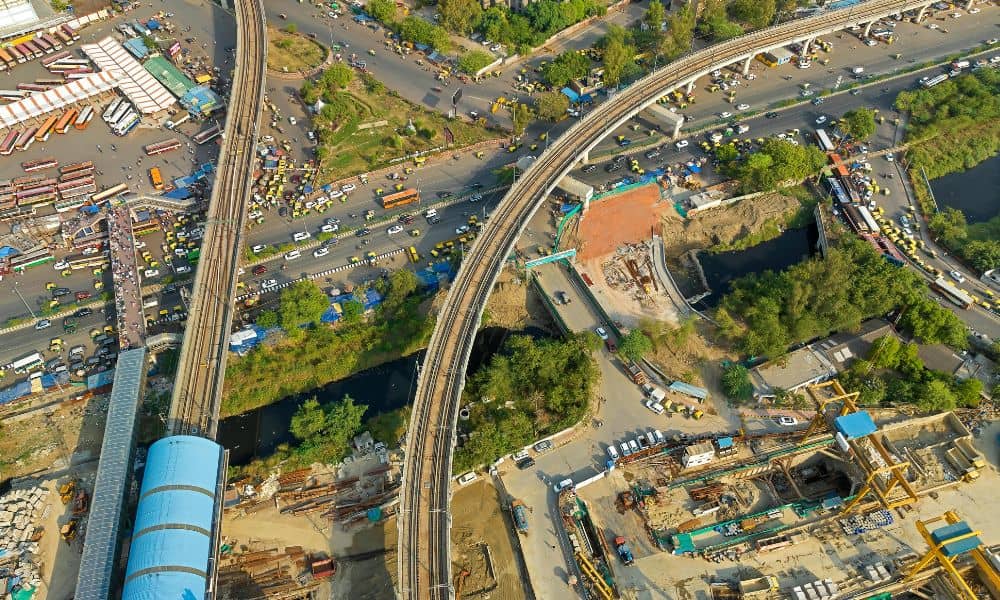
Chicago is rebuilding, even if it does not always make the news. Across the city and nearby areas, large infrastructure projects are moving forward. Rail corridors are being upgraded. Roads are being redesigned. Flood-prone areas are getting more attention. Behind all this work is something many people do not see. That is accurate ground data. This is why LiDAR mapping across Illinois, especially around Chicago, is becoming more important. Even without a big public announcement, city growth is increasing the need for precise and reliable mapping.
Infrastructure Growth Increases the Need for Better Data
Every major infrastructure project starts with planning. Before construction begins, teams need to understand the land. If the data is not clear, problems can happen later.
Chicago’s transportation and freight projects depend on knowing what the ground really looks like. Teams need accurate elevation data. They also need clear surface details and a full view of current site conditions.
Traditional surveying still matters. However, in busy urban areas, it often takes more time. Traffic, safety risks, and tight access can slow crews down. Because of this, many teams now use LiDAR mapping services. LiDAR helps collect large amounts of data faster and with less risk. As infrastructure work increases, the need for this type of mapping keeps growing.
Why LiDAR Mapping Works Well in Chicago

Chicago is a complex city. It has rail lines, bridges, rivers, underground utilities, and dense development. Small elevation mistakes can become big problems later.
LiDAR mapping helps by collecting millions of elevation points over large areas. Instead of using only a few measurements, engineers can see a full surface. This makes it easier to understand how the land behaves.
With LiDAR data, teams can see slopes more clearly. They can follow drainage paths. They can also find problem areas early. This helps designers plan with more confidence. Because of this detail, LiDAR mapping works well for urban projects across Illinois.
Transportation and Rail Projects Need Accurate Data
Transportation and rail projects are very sensitive to elevation changes. Even small slope errors can affect drainage and safety.
LiDAR mapping supports these projects by providing steady elevation data along long routes. It also shows clear views near bridges and crossings. This helps teams plan designs that match real conditions.
When teams use old or incomplete data, problems often appear during construction. These problems cause redesigns, delays, and higher costs. LiDAR mapping helps reduce these risks before construction begins.
Open LiDAR Data Helps With Early Planning
Illinois has invested in statewide elevation data. Planners and engineers can use this data early. Public LiDAR data lets teams review terrain before visiting a site.
This data helps with early planning and site reviews. It also helps compare elevations across neighborhoods. In addition, it can show areas with higher flood risk. However, public data does not always meet the accuracy needed for active projects.
As plans move forward, many teams use project-specific LiDAR mapping. This helps meet design and permit needs. Because of this, demand continues to increase across Chicago and the rest of Illinois.
Flood Risk Is Increasing the Use of LiDAR
Flooding is a growing concern in the Chicago area. Flat land, older drainage systems, and heavier rainfall increase the risk of water problems.
LiDAR mapping helps teams see how water moves across the land. It also helps find low areas where water collects. This supports better stormwater designs. Since flood studies depend on elevation data, better data leads to better results.
As more projects focus on flood prevention, LiDAR mapping becomes a normal part of planning.
Better Planning Needs Better Spatial Data
Chicago continues to focus on long-term planning and data-based decisions. Accurate spatial data supports these goals, even when it is not visible.
LiDAR mapping supports infrastructure monitoring and asset management. It also supports future planning. As expectations increase, consultants and contractors must provide better data. LiDAR-based deliverables help teams stay competitive during bids and approvals.
What This Means for Developers and Engineers
For developers, engineers, and contractors, this change is already happening. Many projects now expect LiDAR-based information early in planning. This affects site reviews, design schedules, and cost estimates.
Using LiDAR early helps reduce surprises later. It also improves teamwork between surveyors, designers, and builders. Because of this, projects move more smoothly from planning to construction.
LiDAR Mapping Is Becoming Standard
Chicago’s infrastructure growth continues at a steady pace. Construction is easy to see. However, accurate mapping supports decisions behind the scenes.
As transportation upgrades continue and flood concerns grow, LiDAR mapping across Illinois will stay in high demand. Teams that use it early gain better insight and reduce risk. Teams that wait often face higher costs and tighter schedules.
Today, LiDAR mapping is no longer optional. It is a practical tool for smarter planning, better designs, and stronger infrastructure results.
