
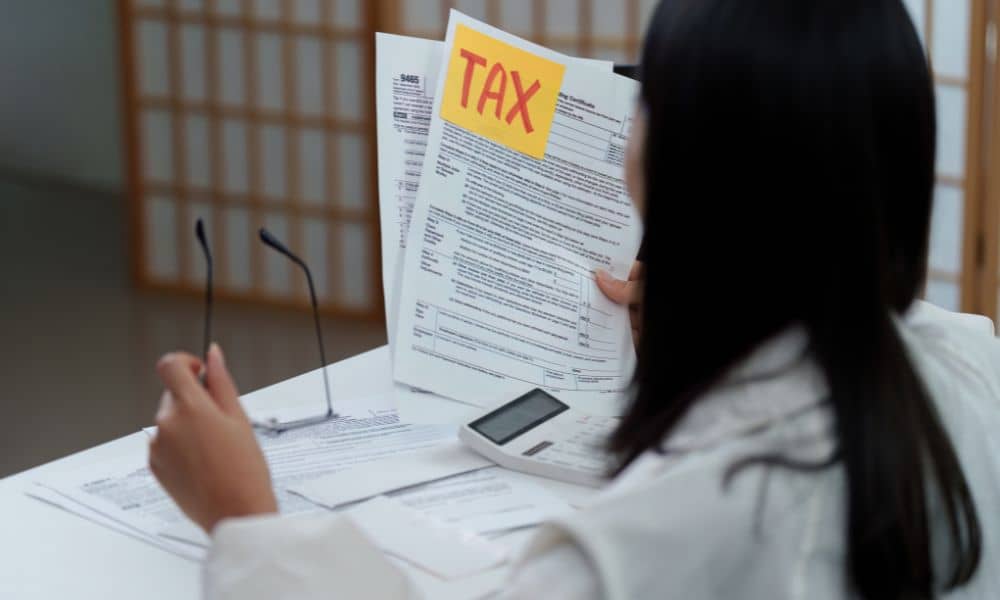
If you live in Chicago, chances are you have already heard the buzz. Property tax reassessments arrived, and many homeowners were shocked by what they saw. Bills jumped. Numbers changed. And suddenly, people who never thought much about their lot lines or records started asking hard questions. At first, the focus is always on the tax bill. However, once the surprise wears off, something else happens. Homeowners begin to wonder whether the information behind those numbers is even right. That moment is where property surveys enter the picture.
When the Numbers Stop Making Sense
For many homeowners, the reassessment notice feels disconnected from reality. Nothing about the house changed. The yard looks the same. No new additions went up. Yet the value on paper suddenly looks very different.
Because of that, people start digging deeper. They review old paperwork. They pull up online parcel maps. They walk their property and compare what they see to what the records show. Often, things do not line up.
This is not about arguing with the tax system. Instead, it is about understanding what data the system is using in the first place.
Reassessments Use Records, Not Tape Measures
Property tax reassessments rely on existing records. These records include old plats, maps, and stored measurements. In most cases, no one visits the property to confirm what actually exists today.
That approach works fine when records are accurate. Unfortunately, in older and denser cities, records are not always perfect. Over time, changes happen quietly. Fences move. Garages shift. Shared driveways blur lines. Small details add up, even if no one notices them right away.
As a result, reassessments can expose gaps between what is recorded and what is real. That discovery alone makes homeowners uneasy.
The “Something Feels Off” Moment
Once homeowners start comparing records to reality, doubts creep in fast. A lot looks smaller than shown. A boundary seems closer than expected. A structure appears partly outside the lines on a map.
At this point, emotions take over. Confusion turns into concern. Concern turns into stress. People realize they are making decisions based on information they do not fully trust.
This is when many homeowners decide they need clarity, not opinions. They want facts they can rely on. That is why property surveys become the next step.
Why Property Surveys Bring Calm to the Chaos
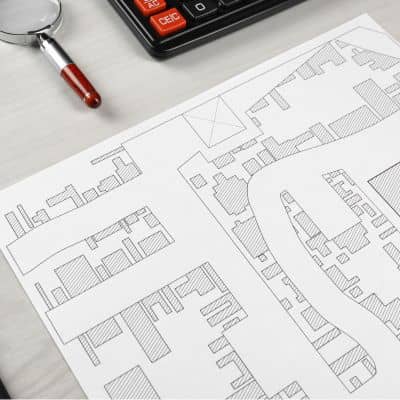
A property survey does one simple but powerful thing. It replaces assumptions with verified measurements. Instead of guessing where lines fall or relying on old drawings, homeowners get a clear picture of what exists today.
That clarity matters, especially during reassessment cycles. People are not always trying to challenge anything. Often, they just want to know whether the records match their property before moving forward.
With a survey in hand, homeowners feel grounded. They know where boundaries are. They understand how structures sit on the lot. Most importantly, they stop guessing.
Chicago’s Layout Makes Errors Easier
Chicago’s built environment adds another layer to this issue. Many neighborhoods have narrow lots packed close together. Some areas follow historic layouts that never changed, even as properties did.
Shared features also complicate things. Alleys run behind homes. Driveways cross property lines. Garages sit close to boundaries. Over decades, these features can blur what belongs where.
Because of this, small inaccuracies can survive for years without being noticed. Reassessments bring those issues back into focus, often for the first time.
Acting Early Feels Safer Than Waiting
Another trend is clear. Homeowners are ordering property surveys sooner, not later. Instead of waiting for problems to grow, they want answers early.
Some people want peace of mind before selling. Others want clarity before refinancing. Many simply want to know where they stand before stress builds.
This proactive mindset is new for many homeowners. Reassessments changed how people think about their property data. Instead of assuming everything is correct, they want proof.
What Homeowners Learn After the Survey
Once the survey is complete, most homeowners feel relief. Regardless of the outcome, they finally have solid information.
Sometimes, the survey confirms everything matches the records. In those cases, homeowners gain confidence. They know the numbers reflect reality.
Other times, the survey reveals differences. While that can feel frustrating at first, it is better to learn early. Knowing the facts allows homeowners to plan, ask informed questions, and move forward without doubt.
In both cases, the uncertainty disappears. That alone has value.
Why Reassessments Changed the Conversation
Before reassessments, many people viewed surveys as something only builders or developers needed. That perception is changing.
Reassessments reminded homeowners that property records matter. They also showed how easy it is for outdated information to linger unnoticed. As a result, property surveys are now seen as a baseline check, not a special request.
In a city as complex as Chicago, that shift makes sense. Clear boundaries and verified measurements help homeowners understand their property in a way paperwork alone cannot.
Final Thoughts
Chicago property tax reassessments did more than raise eyebrows. They pushed homeowners to question the accuracy of long-standing records. When doubts surfaced, many people turned to property surveys for answers.
Not because they wanted to fight the system, but because they wanted clarity.
In uncertain moments, clear information matters most. For many homeowners, a property survey is now the simplest way to move forward with confidence.
