Construction keeps moving, but many projects are moving slower than planned. From large mixed-use developments to smaller commercial builds, delays are becoming more common. People often blame permits, labor shortages, or rising costs. However, another issue keeps showing up behind the scenes: construction surveys. In today’s crowded and tightly regulated city, construction surveys play a much bigger role than many people realize.
This change did not happen overnight. Instead, it reflects how hard it has become to build.
Why Construction Projects in Chicago Are Slowing Down
Chicago continues to invest in large redevelopment projects. One example is Foundry Park, a major development planned on former industrial land near the river. Projects like this aim to bring new housing, green space, and businesses into the city. However, these sites come with challenges.
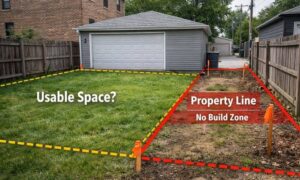
Urban land often looks clean on paper but feels very different in real life. Property lines sit close together. Nearby buildings leave little room to adjust. Public walkways and shared spaces add more limits. Because of this, many projects slow down after approval but before real construction begins.
At that point, crews cannot move forward until the site is fully confirmed. This is where construction surveys become essential.
What Construction Surveys Do Before Building Starts
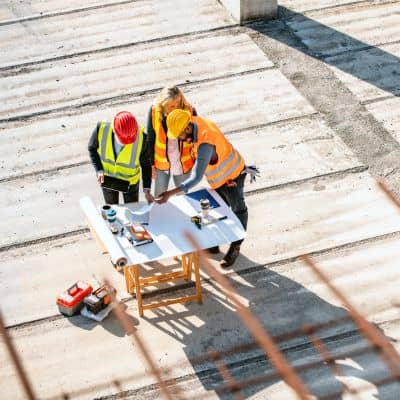
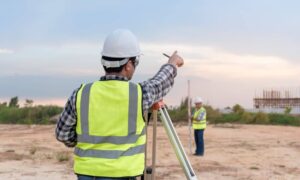
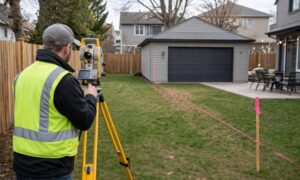
Construction surveys help connect design plans to what exists on the ground. Even the best drawings cannot show every detail of a real site. Surveyors check measurements, elevations, and layout to make sure the project fits the space correctly.
Without this step, builders risk placing structures in the wrong spot or missing key site limits. Fixing those mistakes later costs time and money. Because of that, construction surveys are no longer treated as a simple step. Instead, they help confirm whether a site is truly ready to build.
Why Foundry Park Shows the Bigger Trend
Foundry Park highlights many issues common across Chicago. The site sits near the river, borders other parcels, and includes public spaces. Each building must fit within exact limits. Even small errors can trigger reviews or redesigns.
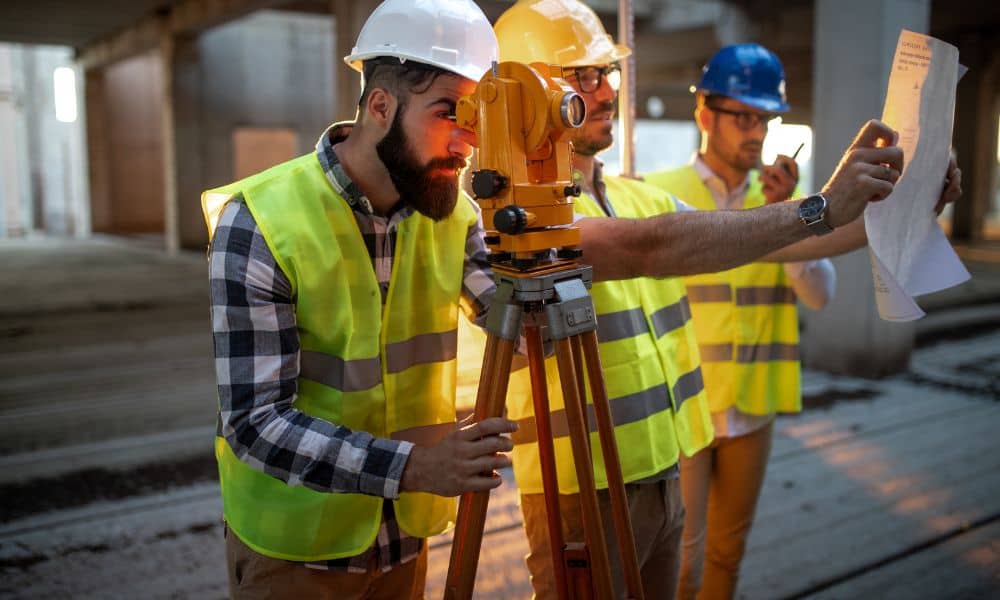
On projects like this, construction surveys help set clear control points before work begins. These points guide all teams involved. Engineers, contractors, and inspectors rely on the same accurate reference. When surveys happen late or lack detail, progress slows quickly.
Timing Matters as Much as Accuracy
Accuracy always matters, but timing causes many delays. When construction surveys do not happen early, crews wait. Engineers pause updates. Schedules stretch out.
In Chicago, space is limited, and projects rely on careful planning. One delayed survey can stop several crews from working. Over time, these pauses raise costs and push deadlines further away. Because of this, many developers now focus on survey timing, not just survey results.
Why Chicago Feels These Delays More Than Other Cities
Chicago’s layout makes construction more sensitive to survey problems. Many parcels were created decades ago and do not follow modern patterns. Buildings sit close together. Alley access and shared boundaries leave little room for error.
City departments also review plans closely. Survey data often supports permits and inspections. If survey information does not match approved plans, work stops until the issue is fixed.
As a result, construction surveys carry more weight in Chicago than in less crowded areas. They help prevent mistakes that would be hard or impossible to correct later.
What This Means for Developers and Property Owners
While Foundry Park makes headlines, the lesson applies to many projects. Commercial renovations, apartment buildings, and mixed-use sites all face similar risks. Many of these problems start when the site is not fully understood early on.
Developers who take the time to line up survey services early in the process usually see fewer surprises once construction begins. Layout issues surface sooner, plans stay more stable, and schedules become easier to manage when contractors and lenders need clear timelines.
On the other hand, pushing surveys to the back of the schedule often leads to stop-and-start construction. Each pause adds cost and frustration, and over time, those setbacks grow.
Construction Surveys Help Protect the Project
Today, construction surveys act as safeguards. They help confirm that designs work in real conditions. They also improve communication between teams.
Lenders and investors also pay attention to survey data. Verified site information reduces risk. It shows that the project matches expectations. This confidence often helps approvals and funding move forward without delays.
Why Construction Surveys Are Now in the Spotlight
Chicago’s building environment keeps changing. Large redevelopment projects, tighter rules, and limited space raise the stakes. In this setting, construction surveys help prevent costly problems before work begins.
Projects do not stall because ideas lack funding or support. Instead, they stall when site conditions remain unclear. That reality explains why construction surveys now sit at the center of many project timelines.
The Takeaway for Construction Projects
Chicago will continue to grow and rebuild. New housing, offices, and public spaces remain part of the city’s future. However, success depends on preparation as much as vision.
Construction surveys help turn plans into progress. When done early and correctly, they keep projects moving. When delayed, they become the bottleneck everyone notices too late.
As more projects move forward, one thing is clear: the focus on construction surveys is not a trend. It reflects a new way of building—and a smarter way to avoid delays before they start.