Flooding has become a common issue. Heavy rain, full rivers, and old drainage systems all add to the problem. Recently, flood response efforts in some parts of the city slowed down. Because of that, flood elevation surveys are now getting more attention. Property owners, buyers, and developers are learning that when official systems slow down, clear elevation data becomes very important.
Over the past few weeks, flood-related field work in certain Chicago neighborhoods faced delays. These delays did not only affect emergency crews. They also slowed down how fast flood damage could be reviewed and recorded. As a result, many property decisions had to wait. This situation shows why elevation data matters most when timelines become unclear.
Flood response delays leave unanswered questions
When flooding happens, people want quick answers. Can repairs start? Will permits get approved? Is the property in a flood zone? Usually, government flood teams help answer these questions. However, when flood response work slows down or pauses, those answers take longer.
This creates a problem. Without up-to-date elevation information, city offices, lenders, and contractors cannot move forward easily. Projects slow down. Property closings get delayed. Repairs sit on hold. During these moments, flood elevation surveys become even more important.
These surveys give clear, property-specific elevation data. They do not rely on crowded response schedules or long wait times. Instead, they help property owners move forward even when official processes take longer than expected.
Why elevation data matters more during delays
In normal situations, elevation data often stays in the background. Many people only think about it when a lender or city office asks for it. However, when delays happen, that data becomes a key piece of the process.
Flood response delays create uncertainty. Because of that, decision-makers rely more on trusted documents. Elevation surveys help remove doubt. They show how a building sits compared to flood levels, which helps confirm what steps can happen next.
For example, a property owner planning repairs after flood damage may need elevation data before applying for permits. At the same time, a buyer may need that data before closing on a property. In both cases, when flood response slows down, having an independent survey helps avoid long waits.
How delays affect Chicago property owners and buyers
Chicago has a mix of tight neighborhoods, river-adjacent properties, and aging infrastructure. Because of this, flood concerns often affect many types of properties. When response delays happen, everyday property decisions feel the impact fast.
Property owners may need to wait longer before starting repairs. Buyers may face closing delays. Developers may struggle to keep projects on schedule. Each delay adds stress and cost.
Flood elevation surveys help reduce these risks. When owners have accurate elevation data early, they gain clarity. They can answer questions faster and respond with confidence. This becomes even more important when lenders, contractors, and city offices all need the same information.
Why waiting on official timelines can cause more delays
Many people believe waiting for official flood assessments is the safest choice. Sometimes that works. However, it can also slow things down. After heavy storms, flood response teams often face high demand. Backlogs form quickly.
In Chicago, weather makes timing even more important. Construction seasons are short. A delay in spring or summer can push work into colder months. That creates more problems and higher costs.
Ordering flood elevation surveys early helps avoid these issues. Property owners do not have to depend only on uncertain timelines. Instead, they take control of the process and move forward sooner.
Private surveys help keep plans on track
Flood elevation surveys do not replace public flood response work. Instead, they support it. When official teams slow down, private surveys offer a reliable way to keep moving.
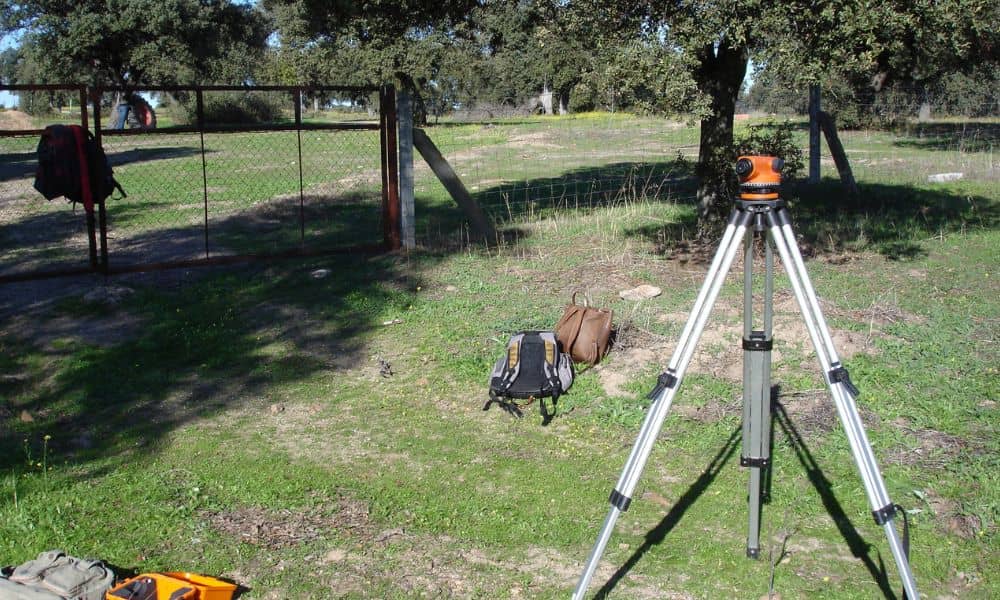
Licensed surveyors can collect elevation data even when flood response schedules change. This helps property owners continue planning repairs, applying for permits, or preparing for construction. It also improves communication between owners, contractors, and city offices.
Most of all, private surveys reduce stress. Knowing where a property stands removes confusion. That clarity makes it easier to make smart choices, even during uncertain times.
A change in how people prepare for floods
Recent flood response delays have changed how many property owners think about preparation. Instead of waiting for problems, more people now focus on planning ahead. Elevation data plays a big role in this shift.
Flood elevation surveys give owners a clear view of their property before issues come up. When delays happen, that preparation makes a big difference. It shortens wait times and limits confusion.
Buyers and developers also benefit from this approach. When elevation data is ready early, deals move faster. Projects stay on schedule. Everyone involved feels more confident in the process.
Why this matters right now in Chicago
Chicago’s recent flood response challenges show an important lesson. Even strong systems can slow down. Safety concerns, access limits, and high demand all affect response times.
When delays happen, accurate property data becomes more valuable. Flood elevation surveys help owners stay prepared and informed. They offer a way to respond instead of waiting.
This moment highlights the value of planning ahead. Flood risks may not always be in the news, but their effects appear quickly when response timelines change.
Moving forward with better information
Flooding will continue to affect Chicago. However, uncertainty does not have to control property decisions. With the right information, owners can stay prepared.
Flood elevation surveys provide clarity when systems slow down. They support better planning and reduce delays. As Chicago faces ongoing weather challenges, these surveys will remain an important tool.
When flood response timelines shift, good data matters most. Elevation information helps property owners move forward with confidence, even during uncertain times.