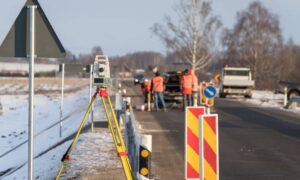
Across Chicago, major infrastructure plans keep hitting the brakes. Funding pauses, shifting priorities, and longer approval timelines have made many developers uneasy. As a result, projects that once looked ready to move forward now sit in limbo. When that happens, one step almost always gets delayed first: construction surveys.
At first glance, that choice feels logical. If work is not starting tomorrow, why spend money today? However, this pause often creates more risk than relief. To understand why, it helps to look at how construction surveys fit into the bigger picture of development decisions.
When Uncertainty Creeps In, Spending Slows Down
Right now, many Chicago projects face uncertainty. Infrastructure budgets change. Public funding gets delayed. Private lenders grow cautious. Because of this, developers focus on protecting cash flow and avoiding early commitments.
Naturally, they look for steps they can pause without “breaking” the project. Construction surveys sit right at that edge. They mark the moment when planning turns into action. Once survey crews are scheduled, timelines become real, consultants lock in, and momentum builds.
Because of that, surveys often become the first thing placed on hold.
Why Construction Surveys Signal Commitment
Construction surveys do more than confirm measurements. They signal that a project is moving from ideas to execution. When surveys start, developers show lenders, partners, and contractors that the site is advancing.
That signal matters. It tells everyone involved that the project has crossed a line. Money starts flowing differently. Schedules tighten. Expectations rise.
So when confidence drops, developers pause that signal. They delay construction surveys to keep plans flexible and avoid setting deadlines they may not meet.
Who Makes the Call to Pause Surveys?
This decision rarely comes from one person alone. Instead, it usually reflects a group response to uncertainty.
Developers may worry about tying up funds too early. Lenders may want clearer timelines before releasing capital. Public agencies may wait for confirmed budgets before moving forward.
Together, these forces create hesitation. Construction surveys, sitting at the intersection of planning and building, feel like the easiest step to delay.
Why Surveys Get Paused Before Other Work
Many early project tasks can remain theoretical. Meetings can continue. Designs can evolve. Emails can fly back and forth.
Construction surveys change that dynamic. They require access to the site. They require coordination. Most importantly, they require intent.
Once survey crews step in, everyone expects progress. That pressure makes surveys feel risky during unstable periods. As a result, they get paused even though they support smarter decisions.
The False Comfort of Waiting
Waiting feels safe. It feels like saving money. Developers often believe that delaying surveys avoids unnecessary costs if the project stalls.
However, this comfort can be misleading.
Uncertainty rarely disappears on its own. Instead, it often lingers until a deadline forces action. When funding finally clears or approvals arrive, projects rush forward. At that point, the delayed construction surveys suddenly became urgent.
This shift creates stress. Teams scramble. Decisions get rushed. The careful planning that surveys support happens under pressure instead of control.
What Happens When Projects Restart
When paused projects restart, they rarely pick up where they left off. Time has passed. Conditions have changed. Teams need alignment again.
Construction surveys that were delayed earlier suddenly move to the front of the line. Work resumes, crews return to the site, and surveying services for active job sites become part of the push to get everyone working from the same set of expectations. Because this happens under pressure, schedules tighten and flexibility shrinks right when projects need breathing room.
As a result, developers face fewer options and tougher decisions. What once felt like a simple pause now affects coordination, confidence, and how smoothly the project can move forward.
How Experienced Developers Handle Survey Timing
Seasoned developers rarely choose between “survey now” or “survey later.” Instead, they adjust how and when surveys happen.
Some use phased approaches. Others align surveys with funding milestones. By doing this, they keep momentum without overcommitting too early.
This approach treats construction surveys as risk tools, not just expenses. Surveys help reduce unknowns before they grow into problems. When used wisely, they support better decisions even during uncertain times.
Questions to Ask Before Pressing Pause
Before delaying construction surveys, developers and property owners should pause and ask a few key questions.
Is this delay driven by real financial limits or by discomfort with uncertainty? Will waiting create time pressure later? Who benefits from the pause, and who carries the risk?
These questions help shift the focus from short-term savings to long-term control.
Construction Surveys Are About Momentum, Not Just Measurement
It is easy to think of construction surveys as technical steps that can wait. In reality, they help set direction and pace. They bring clarity when plans move toward reality.
In uncertain times, clarity matters more, not less. Surveys help teams stay aligned and ready to move when conditions improve.
A Smarter Way Forward
Chicago will continue to grow, even with delays and challenges. Infrastructure projects will restart. Private developments will move ahead. The question is not if progress returns, but how smoothly it happens.
Construction surveys play a quiet but powerful role in that transition. When treated as strategic tools instead of optional costs, they help projects restart with confidence instead of chaos.
In moments of uncertainty, the goal should not be to stop moving entirely. Instead, it should be to move carefully. Construction surveys help make that possible.