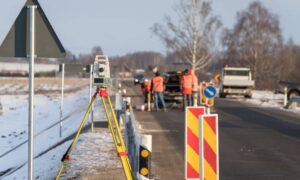
Chicago’s construction industry keeps moving, but many builders now face a big problem: there are not enough workers to keep projects on schedule. Because of this, developers look for faster tools. One of the most helpful tools today is a UAV survey. This type of survey uses drones to collect accurate site data in a short amount of time. As deadlines get tighter, more companies choose UAV surveys to avoid delays and keep projects on track.
The labor shortage affects the whole country, but it feels stronger in Chicago. The city grows fast, job sites stay crowded, and timelines allow very little room for mistakes. When a day is lost, permits, materials, and other work also fall behind. UAV surveys help solve these issues by giving builders the data they need, even when crews are limited.
Chicago Builders Feel the Pressure of Labor Shortages
Across the United States, construction firms struggle to find enough skilled workers. Many people retire, fewer young workers enter the field, and training programs cannot keep up. Rules around hiring also change, which adds more pressure. Because of this, Chicago contractors deal with longer wait times and higher labor costs.
This shortage affects every part of a project. When crews fall behind, builders must adjust plans, change schedules, or rush orders. Even simple tasks take longer. Surveying also slows down because field crews get booked quickly. But builders still need accurate data before work can continue. UAV surveys help fill this gap and keep projects moving.
Why UAV Surveys Fit Chicago’s Fast Style of Building

Chicago projects often take place on tight lots with little room to move. Streets stay busy, cranes swing over sidewalks, and workers must stay alert. Because of this, work must be fast and organized. A UAV survey helps by cutting hours—or even days—off the surveying process.
A drone can map a large site in one flight. A traditional crew might take several days to do the same job. Drones also gather thousands of data points that become clear maps, 3D models, and topographic surfaces. Builders get results faster, which helps them make decisions sooner and avoid delays.
UAV surveys also make job sites safer. Some areas are steep, crowded, or close to traffic. Instead of sending workers into risky spots, surveyors can fly a drone and still collect accurate measurements. This reduces injuries and saves time.
UAV Surveys Help When Deadlines Get Tight
As labor shortages continue, developers deal with tighter timelines. Crews may get moved to other projects. Concrete pours may get delayed. One small setback can push everything behind.
UAV surveys help builders stay on track. They offer fast results, high accuracy, low staffing needs, and flexible scheduling. Drones can collect data quickly, and software can process the information in a short time. Only one or two people are needed for the work. As long as the weather is clear, drones can fly almost anytime.
Because of these benefits, UAV surveys are a strong choice when time matters. Chicago builders want tools that help them stay ahead, and drones do exactly that.
Chicago’s Building Boom Increases UAV Survey Demand
Chicago continues to grow in many areas. Fulton Market, South Loop, Bronzeville, and West Loop all have major projects underway. Warehouses and industrial parks expand near O’Hare and along I-55. With so much happening at once, surveyors stay very busy.
Large urban projects often need updates at different stages. Builders need maps to track grading, excavation, and material piles. They also need fresh data before they change a plan or issue new drawings. UAV surveys make these updates easy because surveyors can return often without slowing down crews or equipment.
This flexibility helps developers stay organized. Instead of waiting for a full resurvey, they get quick updates that help prevent mistakes and improve teamwork.
Why Builders Should Consider UAV Surveys Today
Drone surveying keeps growing, but some builders still use only traditional methods because that is what they are used to. However, the industry is changing fast. Labor shortages, higher costs, and tight deadlines push builders to find smarter ways to work. UAV surveys are not just a new trend—they solve real problems.
Builders who choose UAV surveys gain better planning, fewer delays, clearer communication, and lower labor costs. As projects grow more complex, the need for fast and accurate data becomes even more important. UAV surveys offer that speed without relying on large field crews.
The Future of Surveying
Drone technology will continue to shape the future of surveying. As more builders see the benefits, they ask for UAV surveys earlier in the planning stage. Some developers already use drone mapping as their standard method for topographic surveys and progress tracking.
This shift makes sense. Chicago rewards builders who work fast and stay safe. Labor shortages may last for years, so companies that adapt early gain a strong advantage. UAV surveys help them stay on schedule and avoid costly changes.
Final Thoughts
Chicago’s construction challenges will not go away soon, especially with the ongoing shortage of skilled workers. But builders do have smart options. UAV surveys provide fast, accurate data without needing large crews. They match Chicago’s quick pace and busy sites. Because of this, more developers choose UAV surveys each year.
For anyone who wants smoother projects and fewer delays, a UAV survey is a smart way to stay ahead. It supports better planning and helps keep construction moving, even when workers are hard to find.